

- Admin@Climateability.com
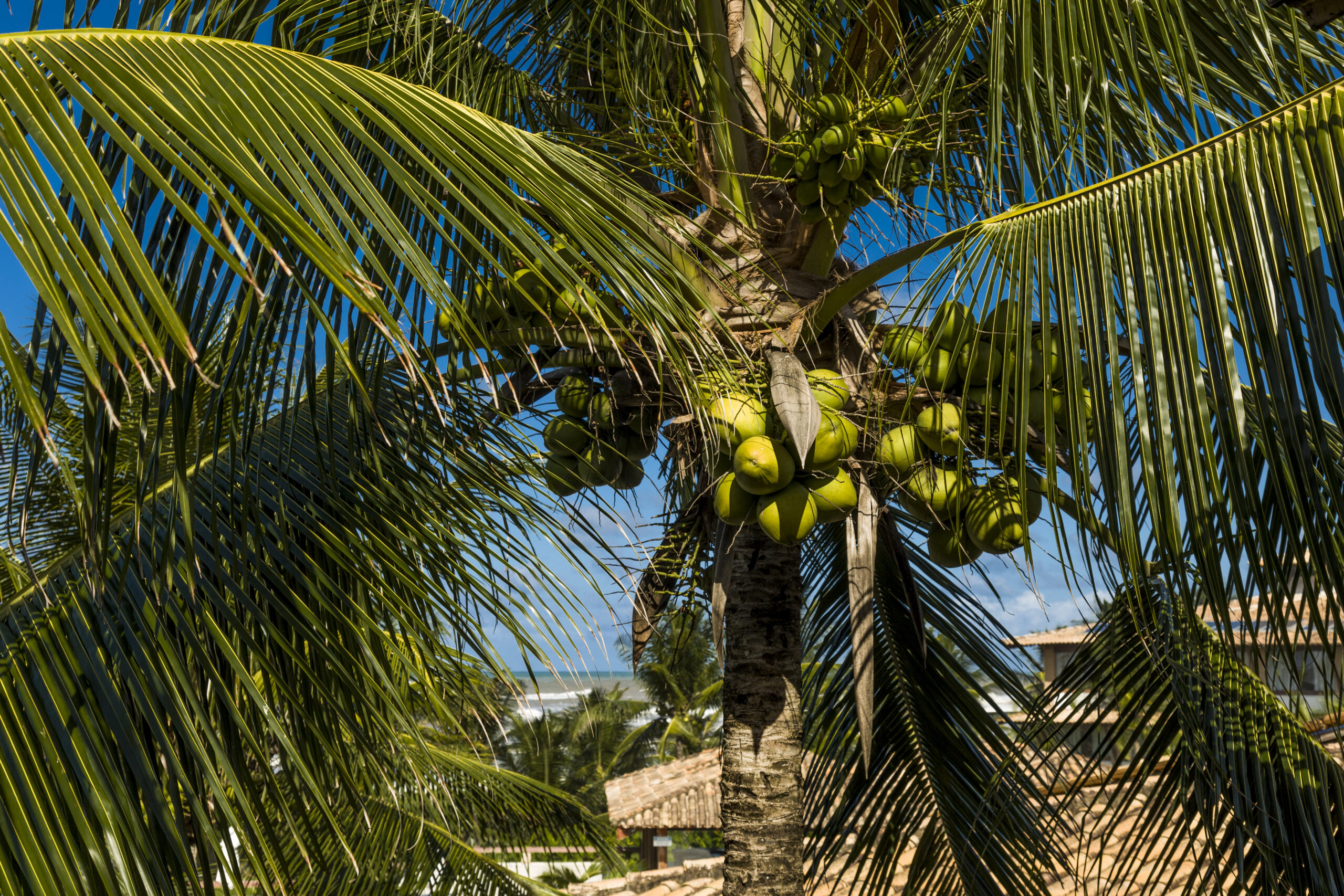
Pacific farmers are adapting to climate stress with drought-resistant crops, agroforestry, and traditional growing methods rooted in cultural and ecological knowledge.
Across the Pacific Islands, climate change is threatening food security. Rising temperatures, shifting rainfall patterns, and saltwater intrusion are making it harder to grow traditional crops like taro, cassava, and sweet potato. But communities are responding with innovation, rooted in both tradition and new techniques, to build more resilient food systems.
One key strategy is the adoption of drought-resistant crops. Varieties of taro that can tolerate lower water availability, or salt-resistant sweet potatoes, are being introduced to help farmers cope with increasingly unpredictable seasons. In places like Fiji and the Solomon Islands, farmers are also reviving traditional varieties that were once sidelined but are better suited to current conditions.
Agroforestry, a practice of integrating trees, crops, and sometimes livestock, is gaining momentum across the region. These systems improve soil health, reduce erosion, and provide shade for crops, making farms more resilient to extreme weather. In Samoa and Vanuatu, agroforestry is also being used to restore degraded land while producing food, medicine, and building materials.
Permaculture techniques, including composting, water harvesting, and intercropping, are helping smallholders make the most of limited resources. These approaches blend seamlessly with Indigenous knowledge, such as seasonal planting calendars and moon-phase planting, which guide farming decisions based on generations of environmental observation.
Crucially, this knowledge is not only being preserved, but passed on. Community seed banks, farmer-to-farmer training, and school gardens are helping young people reconnect with local food systems while preparing for a hotter, less predictable future.
At ClimateABILITY, we support Pacific communities in building food systems that are diverse, climate-smart, and culturally grounded, because resilience starts at the roots.