
Project:
To develop a GCF project funding proposal for ‘Enhancing Early Warning Systems to build greater resilience to hydro-meteorological hazards in Timor-Leste’
Client:
United Nations Environmental Programme (UNEP)
Participants:
The Government of Timor-Leste (State Secretariat for the Environment, Ministry of Transport and Communication, Ministry of Agriculture and Fishery, Secretary of State for Civil Protection), Food and Agriculture Organization of the UN (FAO), Regional Integrated Multi-Hazard Early Warning System for Asia and Africa (RIMES), Indonesia’s Meteorology, Climatology and Geophysical Agency (BMKG) and UNEP.
Timeframe: 2019 – 2020
What the project involved:
The GCF funding proposal of approximately US$30 M addressed the urgent need for integrated climate information services in Timor-Leste covering oceans, and proactive disaster risk management approaches founded on impact-based forecasting and end-to-end Multi Hazard Early Warning Systems. The project enhanced the observational networks run by the national meteorological and hydrological service, filling data gaps of national, regional and global significance.
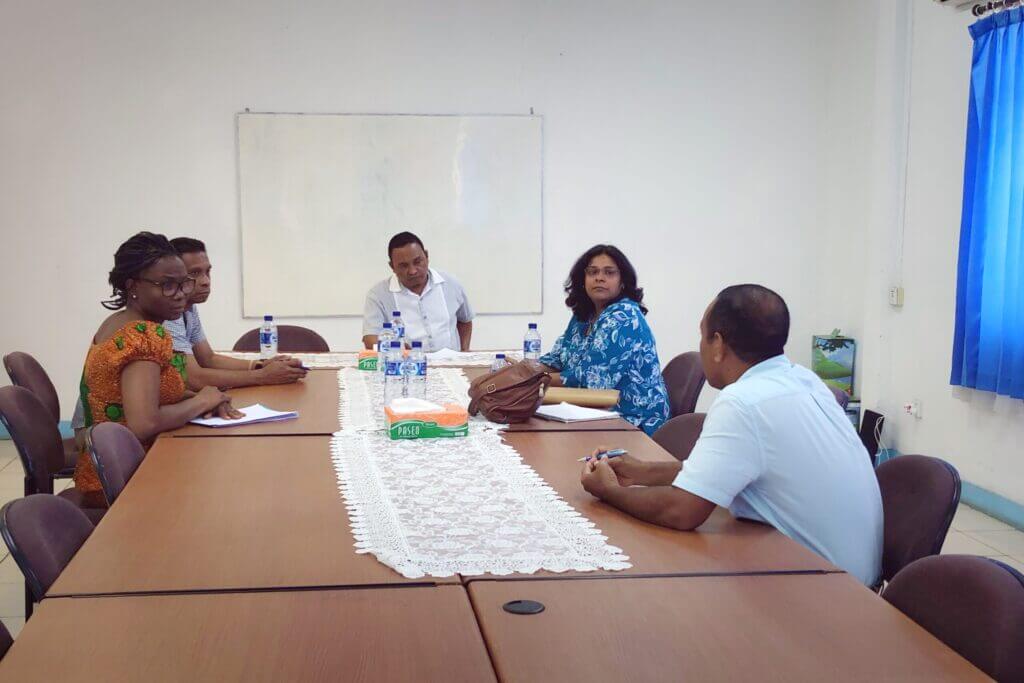
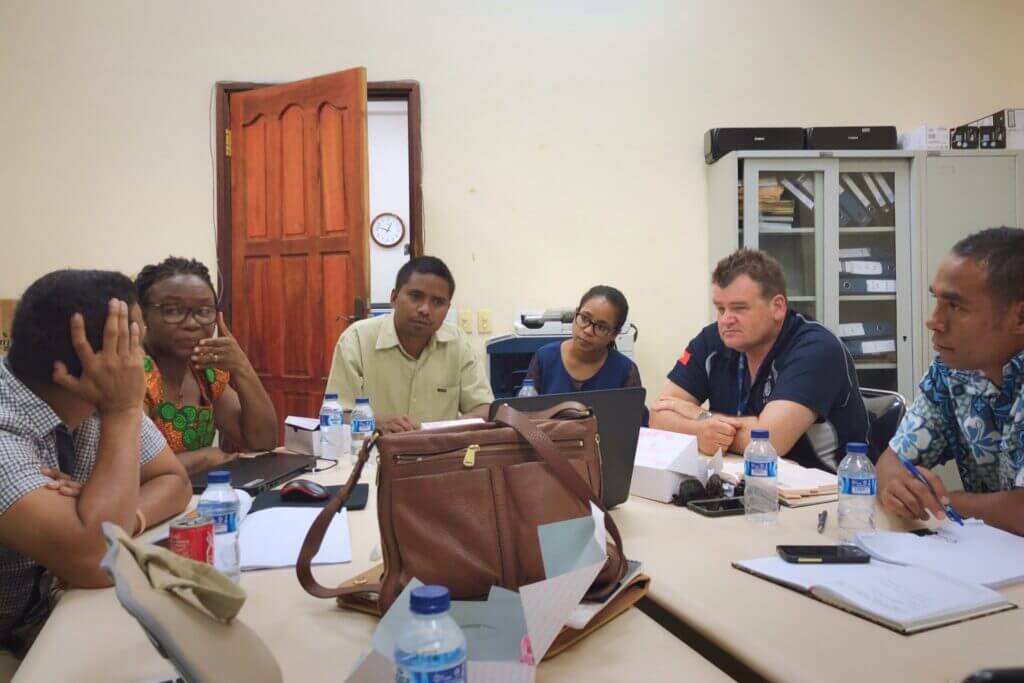
In her previous role as co-director of PSS, ClimateABILITY’s director Amanda Amjadali, her team and a local consultant, met with stakeholders across Timor-Leste, including government and private agencies, as well as NGOs, community groups, academic institutions and vulnerable populations (gender, youth and disability). Additionally, her team consulted key regional bodies such as BoM, RIMES, BMKG, FAO and the International Federation of Red Cross.
The team also managed and worked closely with an economist and an environmental and social safeguards specialist who carried out the cost-benefit analysis and ESS assessments respectively for the project. This work also involved developing the GCF project funding proposal and annexes, which included detailed itemised budgets, engineering operation and maintenance plans for all technical equipment, and implementation and procurement plans.